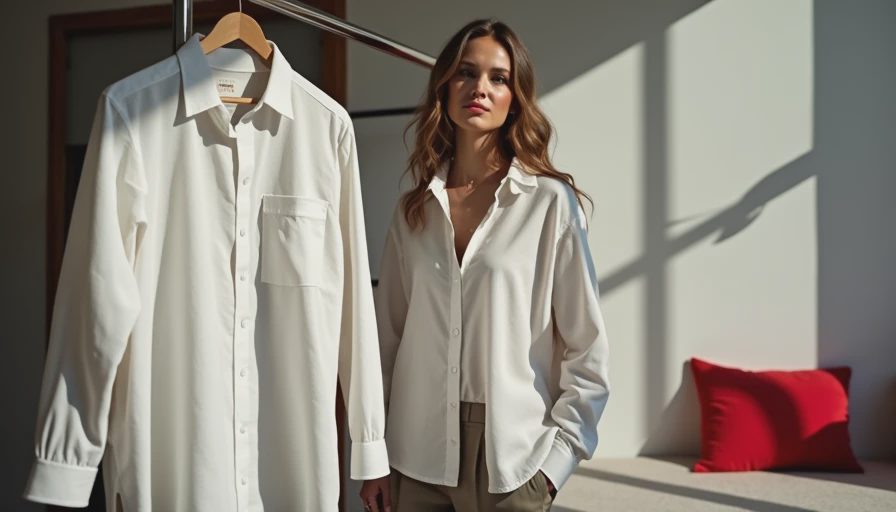
Summer heat calls for fabrics that breathe. And when it comes to warm-weather dressing, the debate between **linen vs linen cotton** is a classic one. Pure linen is the gold standard for airflow, but its wrinkling reputation sends many shoppers toward a blend. As someone who’s worn both through sticky subway rides and outdoor brunches, I’ve got opinions. Here’s a style-savvy breakdown of what each fabric actually delivers.
What’s the Real Difference Between Linen and Linen Cotton?
Let’s start with the basics. Pure linen is made from flax fibers, which are hollow and naturally moisture-wicking. That’s why it feels cool against your skin even when the humidity hits 90%. Linen-cotton blends combine flax with cotton fibers, usually in a ratio like 55% linen / 45% cotton or 50/50. The cotton adds softness and reduces the crinkling that pure linen is known for. But it also changes the drape and breathability.
In terms of texture, pure linen has a slightly rougher, more textured hand at first, but it softens beautifully with washing. Blends feel smoother from the get-go. Weight matters too—pure linen tends to be lighter and airier, while blends often have a bit more substance, which can be nice for structured pieces like blazers or trousers.
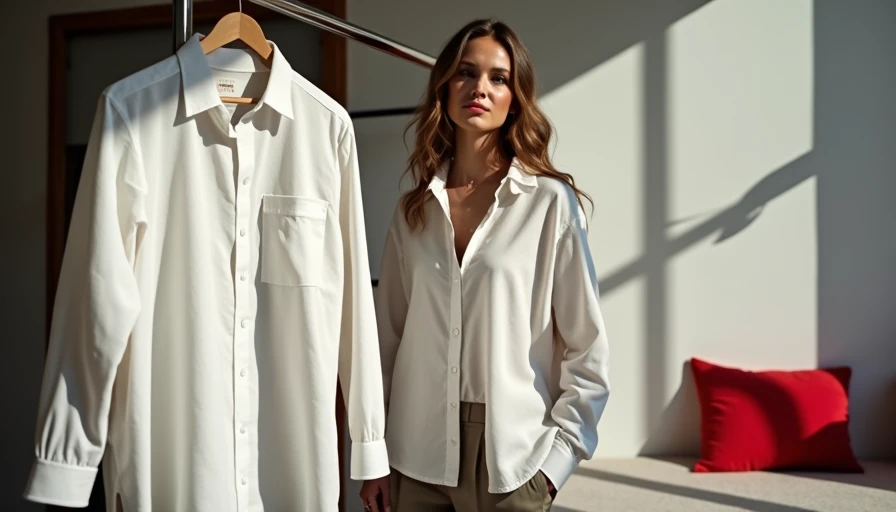
How Each Fabric Performs in Practice
Let’s talk about real-world wear. On a 90-degree day, pure linen is unbeatable. That microventilation keeps air moving, and the fabric dries fast if you sweat. I’ve worn an Eileen Fisher pure linen tunic to an outdoor concert—it kept me comfortable while everyone around me was melting. The downside? It looks rumpled after an hour. If you’re going for a effortlessly undone streetwear vibe, that can actually work in your favor. For a more polished look, you’ll need to commit to steam or iron.
Linen-cotton blends are the practical friend. They wrinkle noticeably less—maybe 50% less—and they hold shape better through the day. A Uniqlo linen cotton button-down is my go-to for days when I need to go from office to dinner without a wardrobe change. The cotton also makes the fabric slightly less prone to stretching out in the elbows and knees. But it’s not as cool: on the most oppressive days, you’ll feel the difference. The fabric clings more when damp, too.
Drape is another consideration. Pure linen moves beautifully—it falls in soft, fluid lines. Linen-cotton is a bit stiffer, which can be good for crisp silhouettes but less dreamy for floaty dresses.
Care and Longevity – Which Lasts Longer?
Pure linen is tough. Flax fibers are stronger than cotton, so a well-made linen garment can last for years. But it requires careful washing—cold water, gentle cycle, line dry if you can. And it wrinkles if you look at it wrong. I learned that lesson the hard way after tossing a linen dress in the dryer. Now I air dry and steam it before wearing. Blends are easier: they can handle machine drying on low, and the wrinkles are manageable. However, the cotton content means they may pill or fade slightly faster over time, especially in high-friction areas like underarms.
Shrinkage is a real thing with both, but blends tend to shrink less if you follow care labels. My rule of thumb: if you’re lazy about ironing, go blend. If you’re okay with a little extra effort for maximum performance, pure linen is worth it.

Which One Should You Buy? A Quick Verdict
It depends on your style and lifestyle. If you prioritize breathability and don’t mind a lived-in look, invest in pure linen pieces: oversized shirts, wide-leg pants, and dresses. If you need something that stays crisp through a long day, a blend is smarter. For transitioning between seasons, blends work better because cotton provides warmth.
Here’s a cheat sheet:
- **Pure linen** for: hot days, beach trips, airy silhouettes, intentional rumpled aesthetic.
- **Linen-cotton blend** for: workwear, travel, structured blazers, low-maintenance outfits.
Budget-wise, pure linen tends to be pricier ($50–$150 for a good shirt) because flax is more expensive to process. Blends from brands like Uniqlo or H&M can be as low as $30. But you get what you pay for in durability and feel.
Real Examples from the Streetwear Scene
In the streetwear community, I’ve seen both fabrics shine. The classic linen button-down from L.L.Bean is a staple for a relaxed, preppy-meets-street look when paired with cargo pants and chunky sneakers. For something sleeker, a linen-cotton blazer from Muji over a simple tee keeps the silhouette clean without the heat buildup. And if you’re into monochrome layering, a pure linen kimono or duster adds that airy texture that blends can’t replicate.
Ultimately, **linen vs linen cotton** isn’t about right or wrong—it’s about what serves your outfit best. Try both, see which one fits your sweat tolerance and wrinkle acceptance. Then rock it with confidence.
What’s your go-to for hot weather? Drop your favorite pieces in the comments—I’m always looking for new finds.
No comments yet.