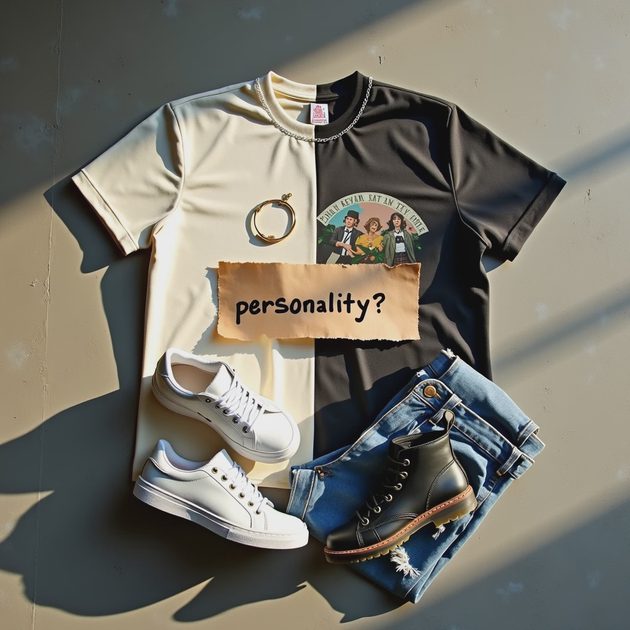
Let's define terms before the arguments start. "Clean girl streetwear" is the aesthetic that has dominated TikTok, Pinterest, and a certain corner of Instagram for the past two years. It's characterized by neutral palettes — cream, beige, white, black, grey. It favors sleek hair, minimal makeup, gold jewelry, and sneakers so pristine they look like they've never touched pavement. The silhouettes are simple: matching sets, wide-leg trousers with fitted tops, boxy jackets over clean basics. Everything looks expensive, intentional, and effortlessly put-together.
It's also, depending on who you ask, either the natural evolution of streetwear for grown women — or the complete sanitization of everything that made streetwear interesting in the first place.
This forum exists because we believe streetwear can be stylish, practical, and community-driven without losing its edge. So the question is worth asking honestly: has "clean girl streetwear" refined the genre, or has it filed off all the rough edges until nothing recognizable remains?
What "clean girl streetwear" gets right
Let's give the aesthetic its due before we critique it, because it didn't become dominant by accident.
First, it made streetwear legible to women who previously felt excluded from the culture. For years, mainstream streetwear was marketed primarily through a male lens — sneakerhead culture, hype drops, and a certain competitive energy that left a lot of women cold. The clean girl version translated streetwear silhouettes into a visual language that felt accessible, wearable, and aligned with how many women actually want to present themselves day to day.
Second, it elevated the baseline for fit and fabrication. The clean girl aesthetic demands that clothes fit well and look expensive, even when they're not. It doesn't tolerate sloppy tailoring, pilling fabrics, or silhouettes that read as careless. For women who spent years swimming in unisex hoodies that fit badly, this emphasis on proportion and quality represents genuine progress.
Third, it created an entry point. Plenty of women now deep into streetwear started with a matching set and a pair of white sneakers. The clean girl look was the gateway, not the final destination. Entry points matter, and dismissing the clean girl aesthetic entirely means dismissing how a lot of women found their way here in the first place.
Where the criticism hits home — the personality problem
The clean girl aesthetic's greatest strength is also its greatest weakness: the emphasis on polish, cohesion, and "cleanliness" leaves very little room for individual point of view.
Streetwear, at its roots, has always been about communication. A vintage band tee signals music taste. A worn-in pair of sneakers tells a story of places you've been. A DIY patch or an unexpected color clash says something about your eye and your influences. Even the choice to wear a specific brand's logo — Stussy, Carhartt, Corteiz — carries cultural references and community affiliations.
Clean girl streetwear strips most of this communication out. The neutral palette is non-committal by design. The silhouettes are universally flattering but rarely distinctive. The sneakers are clean because they're new, not because they're cared for — there's no history in them. A cream matching set with gold hoops and white Sambas looks beautiful, but what does it actually say about the person wearing it? That they have good taste? That they know what's currently in style? That they look polished? Fine. But streetwear used to say more than that.
When every outfit is designed to be frictionless, nothing catches. Nothing provokes a second look. Nothing reads as a choice made by a specific person with specific references and specific taste. It reads as a choice made by an algorithm, executed well.
The "clean" aesthetic and the disappearance of subcultural reference
This is the deeper critique, and it's the one that divides the forum most sharply. Streetwear's original power came from its connection to subcultures — skate, surf, hip-hop, punk, graffiti, club culture. Even when those references were commercialized, they retained some trace of their origin. A Stussy tee referenced a surf-and-skate lineage. A pair of baggy jeans referenced hip-hop style. A bomber jacket referenced military surplus repurposed by 1980s subcultures.
Clean girl streetwear doesn't reference anything except itself. The matching set is not a subcultural artifact. The pristine white sneaker is not a nod to basketball courts or running tracks or skaters figuring out which shoes held up to grip tape. It's a nod to other clean girl outfits, which nod to other clean girl outfits, in a closed loop of self-reference.
This is the "personality removed" argument in its strongest form. It's not that clean girl streetwear looks bad. It's that it looks untethered — disconnected from the cultural contexts that gave streetwear its meaning. It's streetwear as pure surface, detached from the communities and histories that built it.
The counterargument — evolution is not erasure
There's a legitimate pushback to the personality critique, and it deserves airtime. Streetwear has always evolved. The streetwear of 2026 is not the streetwear of 1996 or 2006 or even 2016. The idea that there's a "real" streetwear that must always reference specific subcultures or always include certain markers of edge is its own form of gatekeeping.
The argument goes: clean girl streetwear is simply what happens when women who grew up with streetwear get older, earn more, and want clothes that work for their current lives. The matching set and white sneakers get worn to brunch, to casual offices, to baby showers, on dates. They're streetwear adapted to the reality of a 30-year-old woman's life, not a 16-year-old skater's life. That adaptation isn't a betrayal of streetwear. It's a maturation.
Furthermore, clean girl streetwear doesn't prevent anyone from wearing louder, more referential, more personal streetwear. The existence of cream matching sets doesn't erase the existence of vintage band tees and worn-in Carhartt and DIY-patched denim. The aesthetic is big, not totalizing. Women who want personality-heavy streetwear can and do wear it. Clean girl streetwear is one option among many, not a replacement.
This argument has weight. But it sidesteps the question of whether the dominant aesthetic — the one getting the most algorithmic attention and commercial investment — is shaping the culture in ways that narrow rather than expand what streetwear can be.
What the forum actually wants from streetwear

So where does the forum land on this? Unsurprisingly, the consensus is not "burn the matching sets" or "clean girl forever." It's more nuanced, and more useful.
The forum wants streetwear that has room for both polish and personality. The frustration with clean girl streetwear isn't that it's too polished — it's that, in its most algorithmic form, it's only polish. No texture of individual taste, no reference to anything outside the aesthetic itself, no evidence of a human making choices rather than recreating a saved Pinterest folder.
The outfits that get the most engagement in the forum's fit-check threads tend to be the ones that mix influences. A clean silhouette with an unexpected color. A polished base with one rougher or more personal piece — a vintage tee, a worn-in jacket, a pair of sneakers with actual mileage on them. An outfit that looks like it belongs to a specific person, not to an archetype.
The takeaway isn't that clean girl streetwear is bad or should go away. It's that streetwear is at its best when it communicates something — taste, yes, but also reference, personality, point of view. If your outfit could belong to anyone with a similar budget and an internet connection, it's not saying enough.
Polish is a tool. Cleanliness is a choice. But personality is what makes an outfit yours. And no algorithm can supply that.

Travellers Write
No letters yet — be the first traveller to write.